Education doesn't only get shaped inside a classroom. A good deal of it happens in the conversations teachers and school leaders have with each other, at conferences, workshops and the kind of events built specifically to get educators talking. The Indian Education Summit (IES) is one of the longer-running platforms for that, and it's back in 2026 for its 42nd edition.
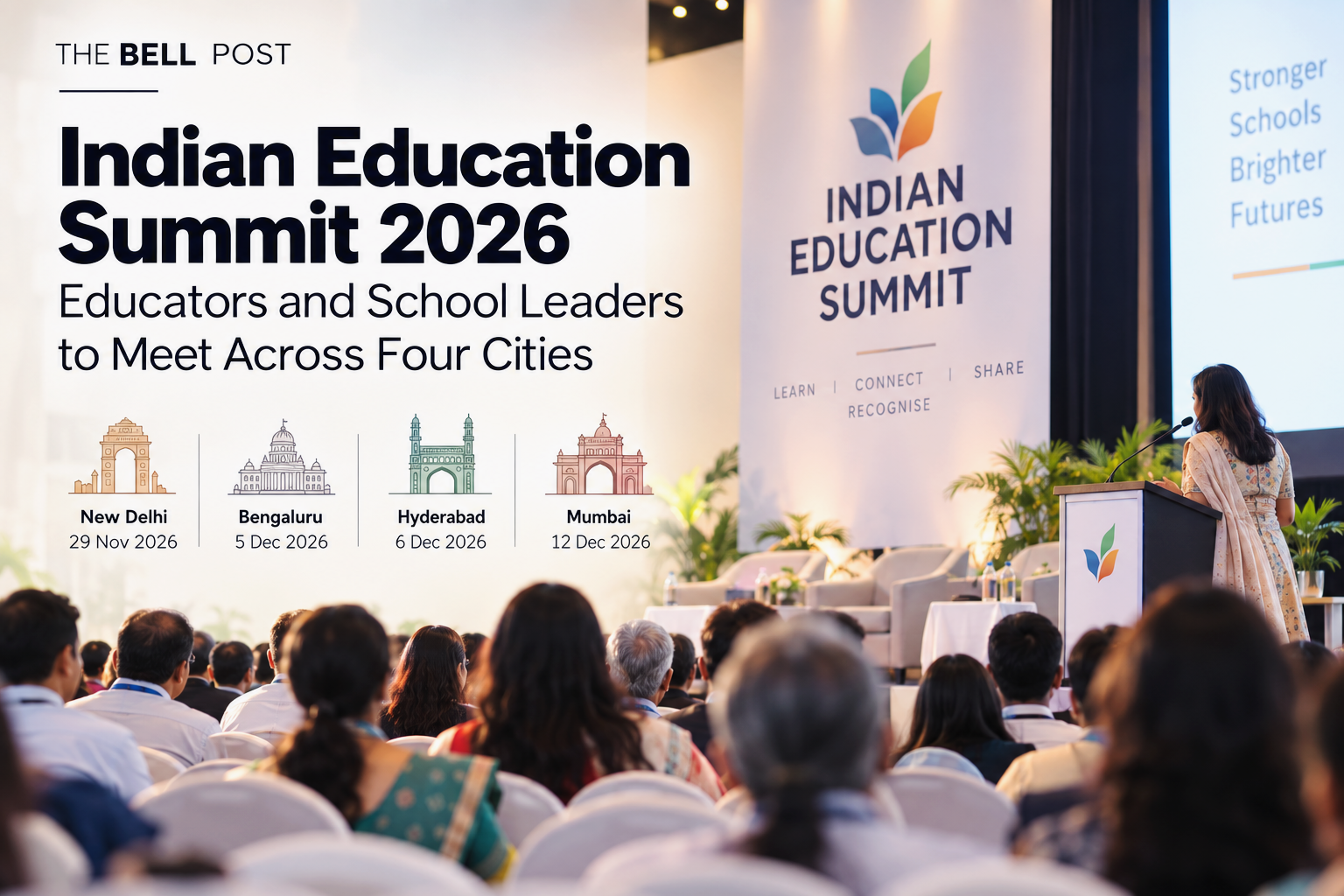
According to the summit's official website, this year's edition runs across four cities rather than one, giving educators in different parts of the country a chance to attend without necessarily traveling far from home.
Four cities, four dates
City | Date |
|---|---|
New Delhi | 29 November 2026 |
Bengaluru | 5 December 2026 |
Hyderabad | 6 December 2026 |
Mumbai | 12 December 2026 |
The organizers describe the summit as a place for education professionals to learn, exchange ideas and keep pace with what's changing in the field. By their own figures, this edition's reach spans more than 1,000 schools, 100 speakers and 10,000 nominations, numbers presented by the summit itself rather than independently audited.
Who is it actually for?
It isn't just a principals' event. The organizers say the summit is open to teachers, educators, coordinators, principals, directors, school leaders and other education professionals, and the FAQ specifically calls out what teachers stand to get from it: exposure to new classroom strategies and a chance to connect with educators from elsewhere in the country.
That's worth noting, because plenty of education conferences quietly skew toward administrators. This one, at least on paper, is trying to speak to the person actually running the classroom too.
What the program is built around
The summit's schedule leans on four broad themes.
Sakshi Malik headlines as Chief Guest
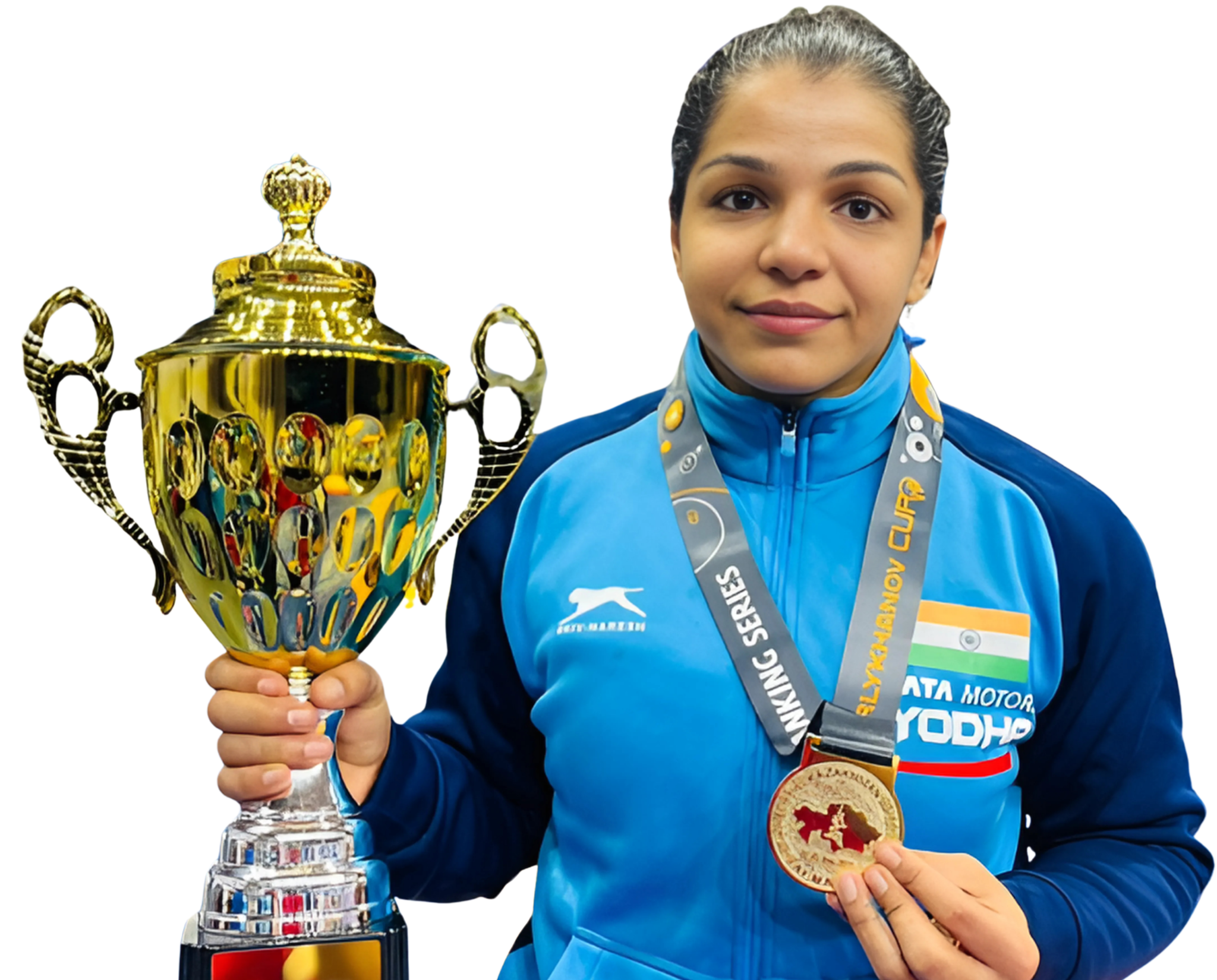
The 2026 edition has named Sakshi Malik as Chief Guest. Malik won bronze in wrestling at the 2016 Rio Olympics, becoming the first Indian woman wrestler to win an Olympic medal. Registered delegates will have access to her keynote session.
Her presence brings a perspective from outside the usual school-education circuit, one built around discipline, perseverance and what it actually takes to reach the top of a field, which tends to land differently coming from an athlete than from another educator.
More than an awards show
Recognition is clearly part of what the Indian Education Summit is about, but the organizers are positioning it as something broader than an awards night, with real emphasis on learning, networking and professional development alongside the recognition piece.
That distinction matters if you're deciding whether to attend. A conference can hand you a certificate and a good photo, or it can actually shift how you teach or run a school the following term. Which one you get out of an event like this usually comes down to the quality of the specific sessions and conversations you walk into, not the event's reputation on its own.
Why this kind of event matters right now
Schools are dealing with a lot at once: shifting technology, evolving teaching methods, changing student expectations, and a broader education landscape that doesn't look like it did even five years ago. For a teacher, a gathering like this offers a look at how other educators, often facing near-identical problems, are actually handling them. For a school leader, it's a chance to think through school development, innovation and leadership somewhere other than their own staff room.
The Indian Education Summit's stated focus on learning, networking, recognition and visibility is really an attempt to speak to all of those needs in one event, rather than picking just one.
The Bell Post Takeaway
The Indian Education Summit 2026 is bringing different parts of the school education community onto one platform across four cities. Recognition is a visible part of the event, but its stated program leans just as heavily on professional development, networking and the exchange of ideas among educators.
For teachers and school leaders, the real question isn't whether the summit looks impressive on paper. It's what they walk away with: a new classroom approach, a useful professional connection, or an idea that's actually adaptable to their own school.
Official website: link